
How to Elevate Your All-White Wedding FlowersWith Artful Greens, Sculptural Texture & Soft Cream Tones
All-white wedding flowers create a timeless, sophisticated ambiance blending purity and elegance. With varied textures and shades, these arrangements evoke understated luxury—perfect for couples seeking classic yet modern florals. From bridal bouquets to centerpieces, Isa Xiarhos Floral Design crafts sustainable, custom all-white arrangements to enhance your special day with grace.
All-white wedding flowers are timeless—but in the hands of a modern designer, they can become something far more intriguing: minimalist yet expressive, clean yet dimensional, soft yet architectural.
This is where art and floristry meet.
Here’s how to transform a white-on-white palette into a curated, modern work of floral art.
Use Greens as a Design Element, Not “Filler”
In modern floral design, greenery is treated like negative space in a painting—intentional, directional, and full of meaning.
Blend a mix of:
Smoky sage for softness
Deep olive for shadow and definition
Fresh mid-greens for clarity and contrast
Instead of hiding in the background, the greens become part of the composition. They frame the white blooms, carve out shape, and create that gallery-worthy depth.
Lean Into Sculptural Texture
Modern artful design is all about contrasts: smooth vs. ruffled, structured vs. fluid.
When you’re working in whites, texture is the hero.
Try a mix of:
Sculptural blooms (calla lilies, anthurium, phalaenopsis orchids)
Soft, cloudlike petals (ranunculus, peonies, garden roses)
Airy accents (sweet pea, jasmine, butterfly ranunculus)
The interplay of forms creates a three-dimensional feel—like a living sculpture rather than a traditional bouquet.
Introduce Cream + Ivory to Add Subtle Warmth
Modern design avoids harsh transitions.
So instead of stark, clinical white, introduce soft neutral tones: cream, ivory, champagne, or butter.
These tones:
Create warmth
Add visual depth
Make the white blooms look even whiter
Photograph like a dream
It’s a nuanced shift, but it makes everything feel more elevated and intentional.
Capture Movement, Not Symmetry
The modern artful approach embraces flow, gesture, and asymmetry.
Think of your arrangement like a brushstroke—alive, directional, expressive.
Use:
Trailing vines for motion
Delicate stems that bend naturally
Asymmetrical silhouettes that draw the eye
This is where white florals transform from “classic” to “contemporary fine art.”
Let the Space Influence the Sculpture
A modern gallery-like venue pairs beautifully with structured, minimalist white blooms.
A lush outdoor space might call for a more organic, windswept aesthetic.
By letting the venue guide the form, your florals become true design pieces that belong to their environment—almost like site-specific artwork.
The Modern Artful Takeaway
An all-white palette is a blank canvas.
By layering greens, sculptural textures, and soft cream tones, you transform it from simple to striking—minimalist, refined, and beautifully modern.
It’s white wedding florals, reimagined through an artful lens.
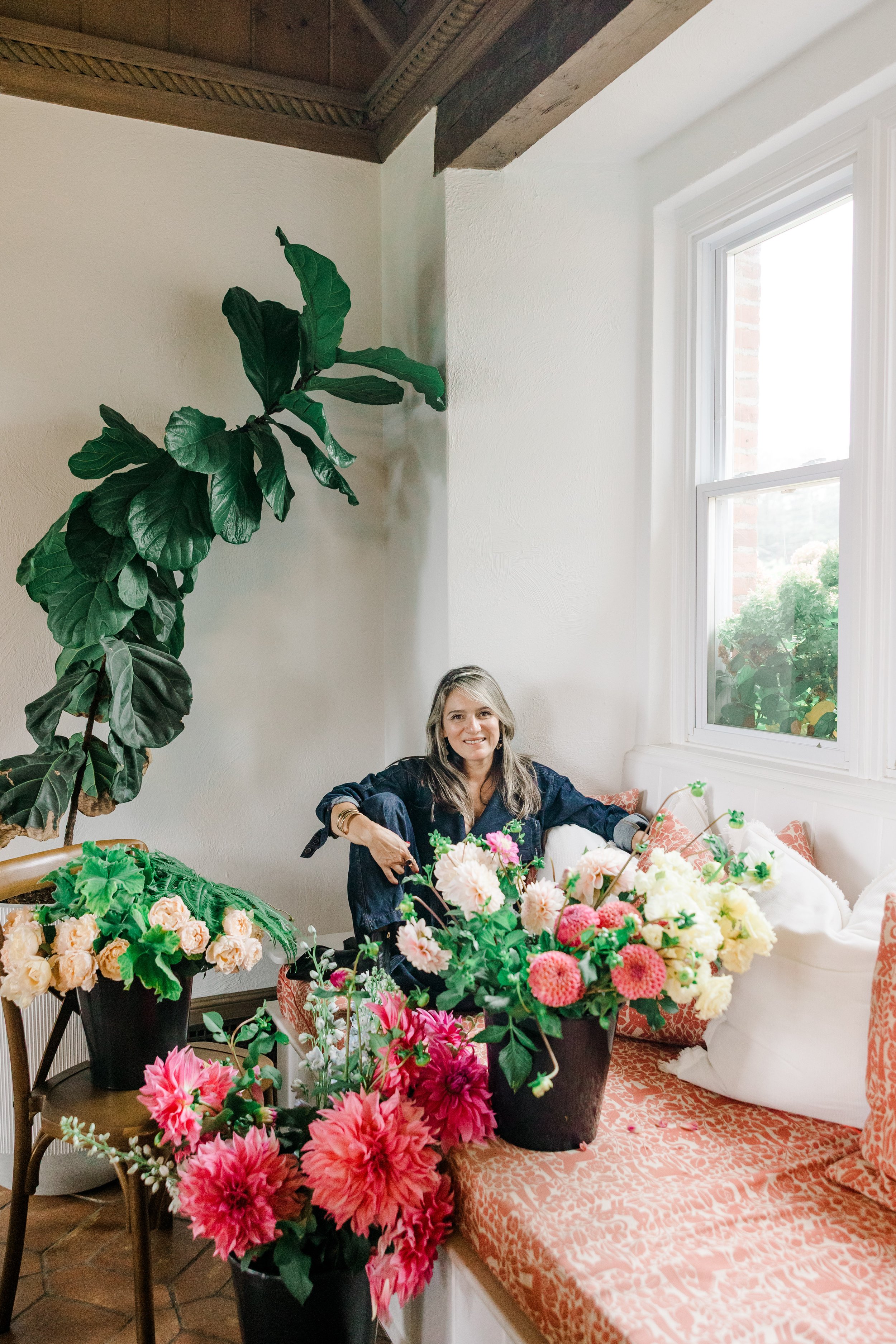
Choosing Your Wedding Flowers: Why Seasonality Matters
Choosing seasonal wedding flowers ensures fresh, beautiful blooms, and reduces environmental impact. They’re easier to find, suit the season, and add natural, timeless charm to your event.
When you picture your wedding day, you might imagine armfuls of lush peonies, trailing vines of greenery, or a bouquet brimming with roses. But one of the most important factors in bringing that vision to life is something many couples overlook: seasonality
Choosing seasonal flowers means you’ll enjoy superior quality and longevity, as these blooms are sourced sustainably and locally whenever possible. This not only ensures stunning arrangements but also supports eco-friendly practices that honor the earth your love thrives on.
Just like produce at the farmers market, flowers have natural growing seasons. And choosing blooms that are in season during your wedding not only makes your arrangements more stunning—it can also save you money and reduce stress.
Celebrate your love story with the freshest, most breathtaking blooms of the season. Seasonal wedding flowers offer unmatched beauty and natural elegance, perfectly in harmony with the time of year. At Isa Xiarhos Floral Design, we specialize in creating custom floral arrangements that highlight the unique charm of the Northeast’s Seasons —whether it's the soft pastels of spring, vibrant summer blooms, warm autumn hues, or delicate winter whites.
Let’s explore why paying attention to the seasons is a smart (and beautiful!) part of wedding planning.
Why Seasonality Makes Such a Difference
Better Quality & Fresher Blooms
Flowers that are naturally in season are at their peak—fuller, brighter, and more fragrant. They haven’t been forced, rushed, or shipped halfway across the world, which means your arrangements look healthier and last longer throughout the day.
More Budget-Friendly Options
Out-of-season flowers can double or even triple in price because they must be imported or specially grown in controlled environments. Seasonal blooms are more abundant and easier for florists to source, keeping your floral budget in check.
A More Cohesive Wedding Aesthetic
Seasonal flowers naturally align with the mood, color palette, and textures of the time of year. Think sun-drenched wildflowers in summer or rich, moody blooms for fall weddings. Choosing flowers that reflect the season ties your whole wedding design together effortlessly.
Eco-Friendly Choices
Local, seasonal flowers reduce the environmental footprint associated with transportation and energy-intensive growing practices. If sustainability matters to you as a couple, this is a meaningful way to incorporate it into your wedding day.
🌸 Seasonal Flower Guide
Here’s a quick rundown of popular flowers by season—perfect for inspiration:
Spring (March–May)
Peonies
Tulips
Ranunculus
Sweet peas
Lilac
Style notes: soft pastels, romantic ruffles, freshly-bloomed elegance.
Summer (June–August)
Garden roses
Sunflowers
Dahlias (late summer)
Hydrangea
Zinnias
Style notes: vibrant colors, bold shapes, lush and energetic arrangements.
Autumn (September–October)
Dahlias (peak season)
Chrysanthemums
Amaranthus
Marigolds
Textured foliage (eucalyptus, oak leaves)
Style notes: warm palettes, rich textures, sculptural and dramatic designs.
Winter (December–February)
Anemones
Camellias
Hellebores
Winter greenery
Roses (year-round availability)
Style notes: crisp whites, deep burgundies, cozy wintery charm.
Pro Tips for Choosing Your Seasonal Blooms
Bring inspiration, not a shopping list. Show your floral designer the colors and styles you love and let them recommend the best in-season blooms.
Stay flexible. Nature can be unpredictable—having an open mind makes for less stress and often more stunning results.
Mix local + imported strategically. If you have a dream bloom that’s not in season, use it sparingly alongside seasonal flowers to stay within budget.
Final Thoughts
Seasonal wedding flowers don’t just look better—they reflect the time of year you said “I do” in a way that feels natural, meaningful, and unforgettable. By embracing the beauty of each season, you can create floral designs that feel intentional, vibrant, and authentically you.